Lucy Woollacott
Articles de blog de Lucy Woollacott
The cinematic landscape was fundamentally altered when Tom Holland first swung into the Marvel Cinematic Universe. Deconstructing Tom Holland's Spider-Man Journey — From Homecoming to Brand New Day unveils a layered evolution of a character who was initially defined by his high-tech mentors. In contrast to previous iterations, this Peter Parker traverses a decade-long coming-of-age story that conclusively leads him to a point of total solitude. Throughout this guide, we will scrutinize how this narrative path refines the Spider-Man mythos for a contemporary audience seeking both spectacle and emotional depth. Notably, this journey serves as a blueprint for long-form character development in an interconnected franchise.
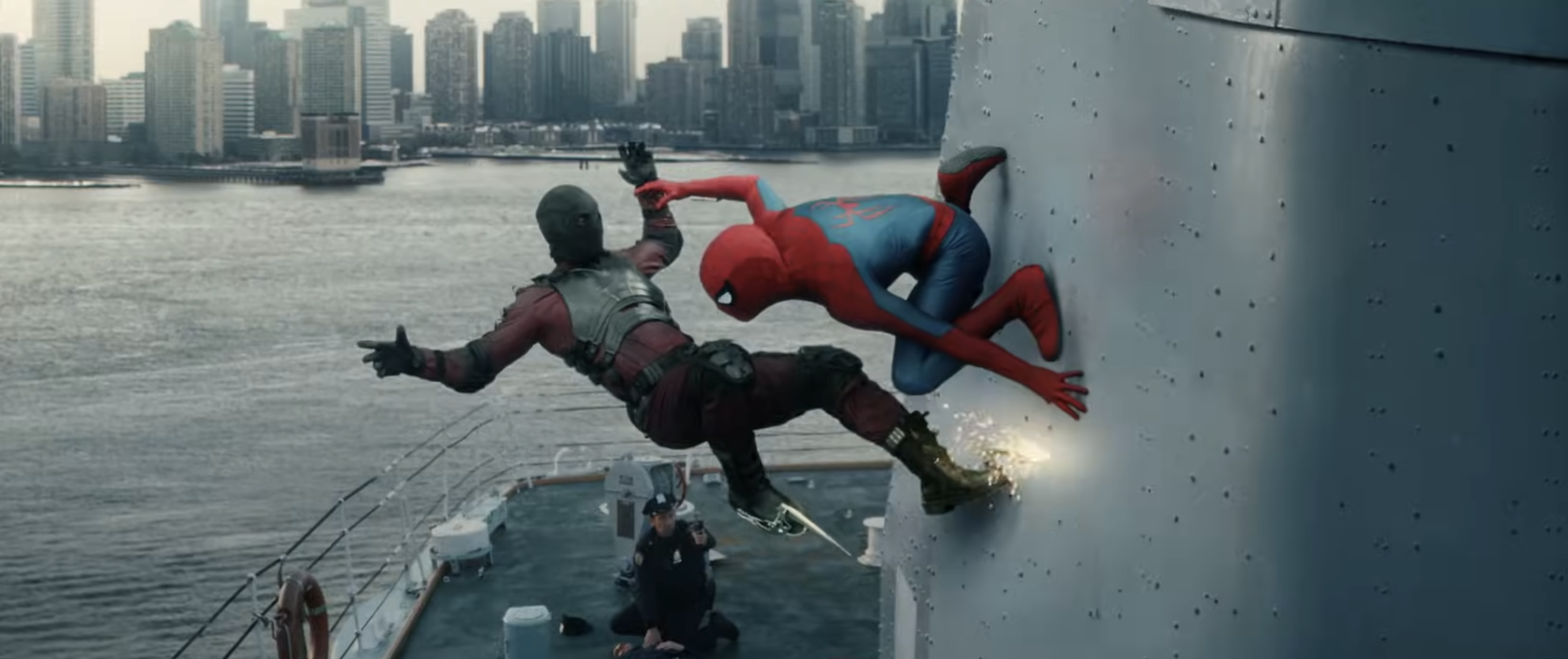
Setting the stage for this era called for a departure from the traditional origin story. By omitting the radioactive spider bite, the filmmakers enabled the audience to focus on Peter’s personal struggle to balance youthful aspirations with cosmic threats. This creative choice proves that the character's heart is not found in his powers, but in his persistent desire to do the right thing despite immense odds. In addition, the transition from the vibrant tones of Homecoming to the somber reality of the Brand New Day reset indicates a deep maturation of the franchise itself. Moviegoers often cite this specific pathway as the most comprehensive version of the Wall-Crawler's life ever captured on screen.
Technical Breakdown of Holland's Spider-Man Suit and Effects
Orchestrating the technical aspects of Tom Holland's Spider-Man Journey — From Homecoming to Brand New Day called for a specialized partnership between two major studios. In terms of production, the merging of Marvel's vibrant storytelling with Sony’s extensive visual effects infrastructure created a benchmark for the genre. Notably, the evolution of the Spider-Man suits shows the jump in CGI prowess from 2016 to the present. Technical teams employed cutting-edge motion capture techniques to ensure that Holland’s physicality was accurately translated to the digital double. This technical rigor provides a seamless experience during the high-octane web-slinging scenes.
Additionally, the cinematographic vision of Jon Watts emphasized a grounded camera style that stands apart from the more stylized approach of previous directors. By utilizing long takes and dynamic camera movements, the trilogy portrays the unpredictable nature of Peter Parker’s life. Visual consultants regularly point to the ferry scene in Homecoming as a key instance of physical stunt work augmented by digital wizardry. It is worth noting that the tonal balance also evolves throughout the trilogy, mirroring Peter’s maturation. Ultimately, the technical performance of these films serves a consistent visual language that links the entire MCU experience.
How to Watch the Holland Spider-Man Movies in Sequence
To thoroughly analyze the narrative depth of Peter’s story, one must view the films in a specific logical order. The journey begins with his brief debut in Captain America: Civil War, which establishes his bond with Tony Stark. Afterward, Spider-Man: КіноАфіша огляди Homecoming provides the first comprehensive look at his daily life, where the danger remain primarily local. Navigating this arc requires an understanding of how Peter’s aspirations to join the Avengers progressively oppose the harsh realities of being a hero. Fans will want to pay close attention to the subtle changes in his maturity during these early phases.
Moving into the interstellar scale of Infinity War and Endgame, Peter’s role expands substantially. At this stage, he faces intense loss, which serves as the catalyst for his actions in Far From Home. Importantly, the jump from combating Thanos to dealing with the legacy of Iron Man defines his character's responsibility. Finally, No Way Home wraps up the first cycle, pointing him toward the Brand New Day status quo. Following this progression allows the fan to see the metamorphosis from a mentored sidekick into a standalone icon.
The Benefits and Drawbacks of Tom Holland's Interpretation
Although Holland’s performance is universally praised, the MCU's interpretation on the character has its evident strengths and weaknesses. One key advantage is the incredible chemistry between the main stars, which breathes life into the Peter-Ned-MJ grouping. Additionally, the films successfully capture the uncertainty of adolescence better than any past version. However, the ongoing reliance on Stark technology has been a point of contention for traditional fans. Observers regularly argue that this weakens Peter’s agency as a self-made hero.

Another point of discussion is the pacing of the narrative arc. Some viewers feel that the cosmic elements in the final film eclipsed the more grounded elements established earlier. In contrast, the thematic payoff in the final act of No Way Home counteracts many of these concerns by stripping away the support systems. Ultimately, the success of Tom Holland's Spider-Man Journey — From Homecoming to Brand New Day lies in its willingness to re-evaluate the hero before remaking him. Though the trilogy sometimes falters with its franchise obligations, it provides a gripping look at modern heroism.
Final Thoughts on the Future of Peter Parker
In closing our detailed look at this era, it is evident that Tom Holland has cemented his place as a central Peter Parker. If we look this version against the earlier incarnations, we see a more deliberate character arc that stretches across six film appearances. Movie enthusiasts will value the Brand New Day ending as a daring reset that resets the status quo. Moving forward, the possibility of a street-level Spider-Man suggests a return to the character's traditional basics. To sum up, this journey is a extraordinary example of strategic franchise planning and nuanced storytelling.
The impact of Tom Holland's Spider-Man Journey — From Homecoming to Brand New Day will persist for years within the entertainment world. By skillfully harmonizing the expectations of a huge cinematic universe with human stakes, the trilogy raises the bar for successors. Fans should anticipate that the outcomes achieved here will guide future iterations of other historic heroes. No matter if you prefer the high-tech start or the minimalist finish, there is unquestionable evidence that Holland's performance is historic.
Frequently Asked Questions About Holland's Spider-Man
Q: What does Brand New Day mean for Peter Parker's future?
A: Within the framework of the MCU, this term signifies a total narrative restart. After the events of No Way Home, Peter is completely alone, indicating the next films will focus on his classic adventures without Avenger support.
Q: How does Tom Holland's Spider-Man Journey — From Homecoming to Brand New Day compare to Tobey Maguire's?
A: Holland's arc is significantly longer and more woven with other heroes. While Maguire's Peter was a self-contained hero from the start, нові фільми онлайн Holland goes through a lengthy transition from a protege to a self-reliant protector.
Q: Is Tom Holland's Spider-Man Journey — From Homecoming to Brand New Day considered a complete story?
A: Indeed, the Homecoming Trilogy is regarded as a complete introductory cycle. It meticulously records his rise from a naive teen to the battle-hardened hero seen at the end of the third film.
Q: Which movie is the most critical to his development?
A: Several critics believe that No Way Home is the essential moment. It is the movie in which Peter shoulders the full weight of sacrifice without any backup.
Q: Will there be another trilogy after the Brand New Day reset?
A: Current reports indicate that a second trilogy is being planned. This new chapter will probably explore Peter's college years in a more grounded New York setting.
Q: Why did Peter Parker lose his Stark technology?
A: The thematic reason was to drive the character back to his origins. By eliminating the high-tech suits, the filmmakers confirmed that Peter must rely entirely on his own wits to survive.